Kashmir continues to be one of the most discussed travel destinations in India. Its beauty is breathtaking. But many visitors still have one critical question: Is Kashmir safe to visit in 2026?”
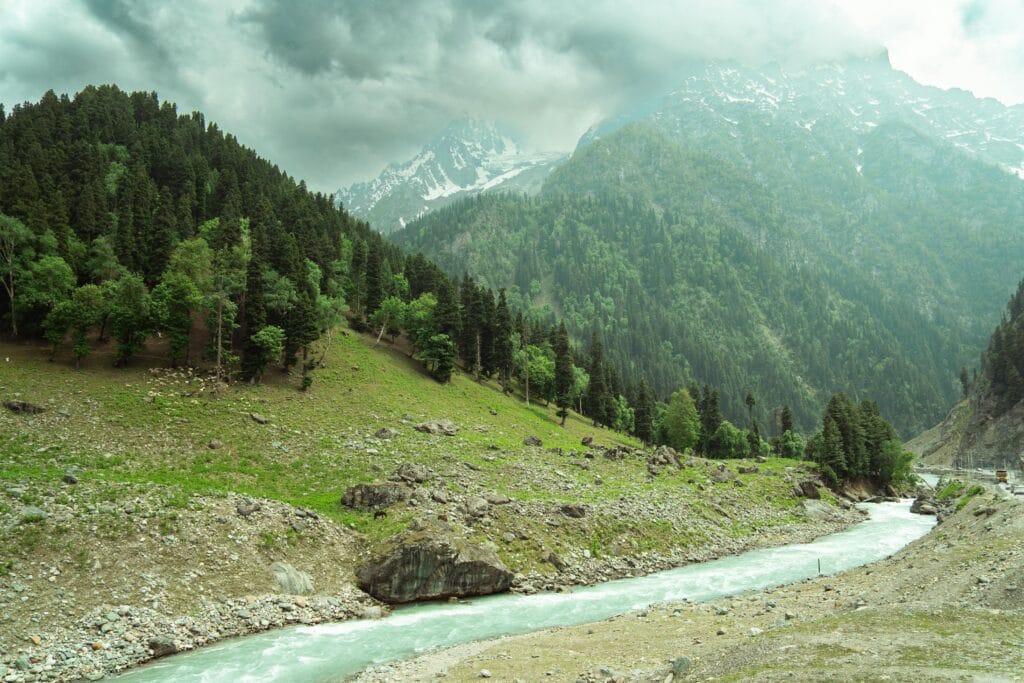
We’re going to answer that question in this article with some facts. We also consider what actually transpired, its economic impact, security changes and how visitors are seen now. We also feature case studies — not opinions — to inform your decision with clear eyes.
What Happened in the 2025 Pahalgam Attack?
22 April 2025 The tourism nerve of Kashmir is left jolted by gruesome yet another terror strike. In the picturesque Baisaran Valley close to Pahalgam, armed militants shot at tourists. They left 26 dead and over 20 others wounded. Most of the attackers were going after civilian visitors. They attacked a spot that locals and visitors looked to as serene.
The attackers were said to have been shepherded from outside the Gates of India, and inquiries showed foreign intercession. It was one of the worst civilian attacks in Kashmir in years and it shocked the travel industry. It also called into question the safety of tourism.
Impact of the Pahalgam Attack on Tourism
Tourism Shutdown and Closures
Authorities sprang into action, making emergency changes soon after the attack. As a security measure, they shut down 48 out of the valley’s 87 tourist destinations. Trekking routes were also suspended. This hit adventure tourism hard.
That meant that many popular attractions — from lakes and forests to scenic valleys — were temporarily off-limits.
Economic Impact Tracker: How Much Did Businesses Lose?
The financial toll was steep.
Booking Cancellations and Revenue Loss
Ten lakh tourist bookings were cancelled within two weeks of the attack.
And this resulted in lost revenue of over Rs 1,000 crore — almost $120 million in just two weeks.
What’s more, hotels had few guests. A handful of reports recorded reductions in tourists of nearly 95% in the weeks following the attack.
Job Losses Across the Sector
The tourism ecosystem was hit across the board. Houseboats, hotels, tours, pony rides, restaurants, cab drivers and guides — all saw dramatic drops.
In Pahalgam alone, where tens of thousands work and visit during the annual pilgrimage to the Amarnath cave shrine in Anantnag district, thousands lost their jobs. More than 10,000 employees across the travel-related businesses were expelled.
It placed heavy burdens on families who relied on tourism earnings for many years. In addition, many small businesses were unable to pay back loans.
Houseboats and Hotels After the Attack: 1 Family’s Story
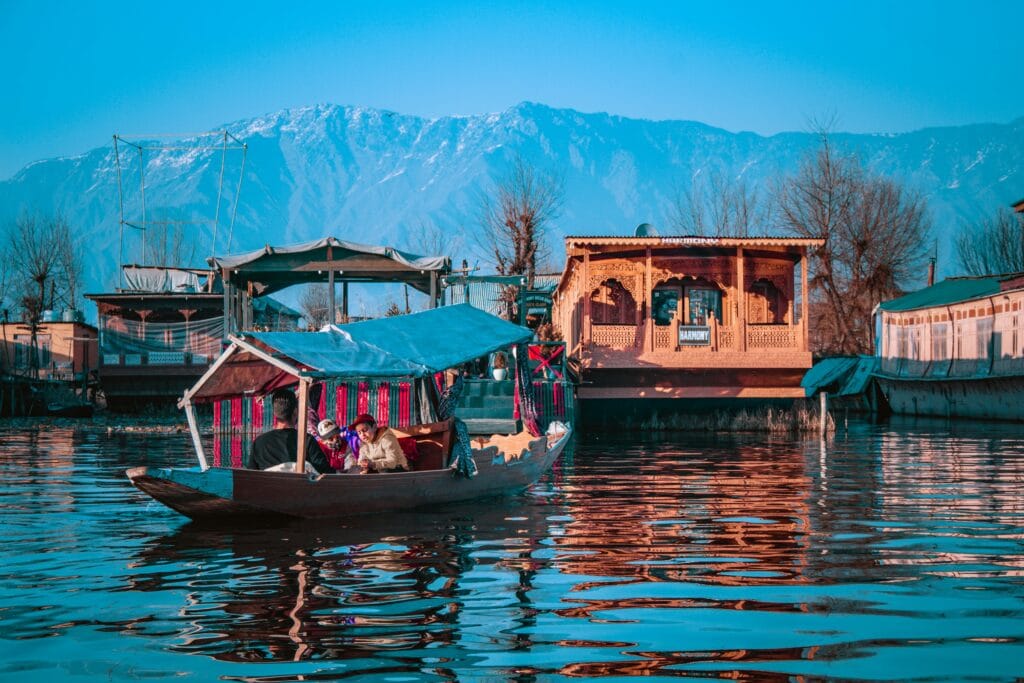
In the days following, houseboat owners and hoteliers said they were facing as much as a 90% cancellation rate. So, lots of them slashed rates drastically to entice visitors back. Discounts of as much as 50% started to be the norm.
But not even deep discounts could quickly extinguish the fear factor. Domestic and international tourists stayed away. And the season ended with many fewer visitors that had been anticipated.
Transport and Tour Guides Get Pounded
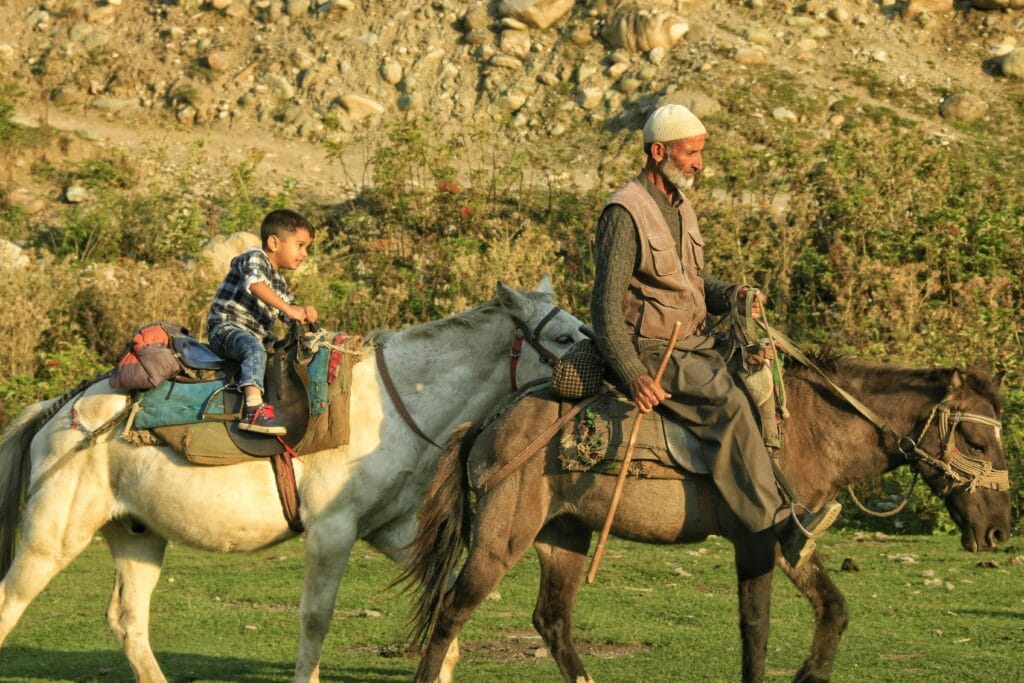
The pony wallahs, cabbies and guides are the Kashmiri wheels of tourism.
Before the attack, local guides could make daily wages by leading tourists around. And pony rides were a big draw.
After the attack, bookings vanished. Businesses locked their doors, and local drivers provided free rides to aid tourists in getting out.
This generosity showcased local goodwill. But it also underscored a business model that is imploding. Drivers, guides and other stakeholders found themselves under extreme economic strain.
Is the danger still present — or is it evolving?
Enhanced Security Measures
The attack on Pahalgam prompted authorities to beef up security across Kashmir. Patrols increased. Checkpoints multiplied along highways. The sharing of intelligence got better, with more agencies sharing more information.
The government also ordered security reviews at dozens of tourist sites. The measures were taken with tourists and local residents in mind.
In fact there is now good information of an evolving nature. Security drill tests and access control and SOPs are another part of the plan.
Tourism is Slowly Recovering — Here’s How
Reopening Tourist Sites
Many tourist sites that had been closed are now open again after tightened security checks. It was not until early 2026, that 14 tourist attractions were finally reopened following a rigorous inspection process and ensured safety.
These are some of the most popular natural places to see in Kashmir.
Visitor Numbers Growing Again
Visitor numbers had started to bounce back by late 2025 and early 2026. Some destinations such as at Gulmarg saw much better occupancy.
The seasonal tourism in the winter presented similar encouraging signs.
Public Encouragement From Tourism Groups
Leaders in the tourism industry have invited tourists to “rediscover” Kashmir. Not just because it’s beautiful, but also because security is better and steady.
Operators launched marketing campaigns to reassure travelers, particularly from leading Indian cities like Pune.
What Travelers Are Saying: Real Views From 2025-26
Online discussions show mixed perceptions. Many veteran travelers emphasize caution. And some say big hotspots like Srinagar are still safe.
On the contrary, travelers who went after this lockdown said local security was evident and reassuring.
Others believe the fear to be overblown. But some are still ambivalent about coming right away, and they want to hold off for a year or two.
This is an evidence on the subjective concept of safety. And also the traveler based experiences are different, because everyone’s gonna take it differently, and you measure that by how good your comfort level is with people. This is important when planning a trip.
Kashmir Is Still Worth Visiting; Here’s Why
Stunning Natural Beauty
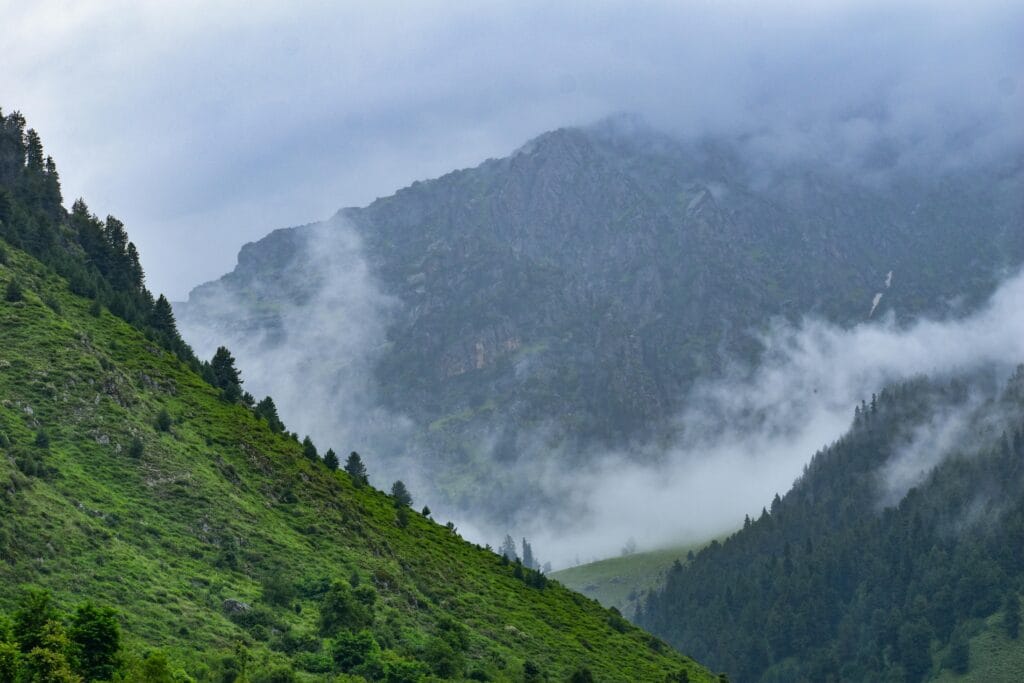
Kashmir is called “Paradise on Earth.” Tall mountains, clear lakes, deep valleys — its landscape sets it apart in India.
Destinations such as Dal Lake, Gulmarg, Sonamarg and Pahalgam attract tourists from all over the world. Travel agents say attention has picked up around these destinations for 2026.
Furthermore, links have improved with the better rail service and trains appealing to a greater number of visitors.
Cultural Richness
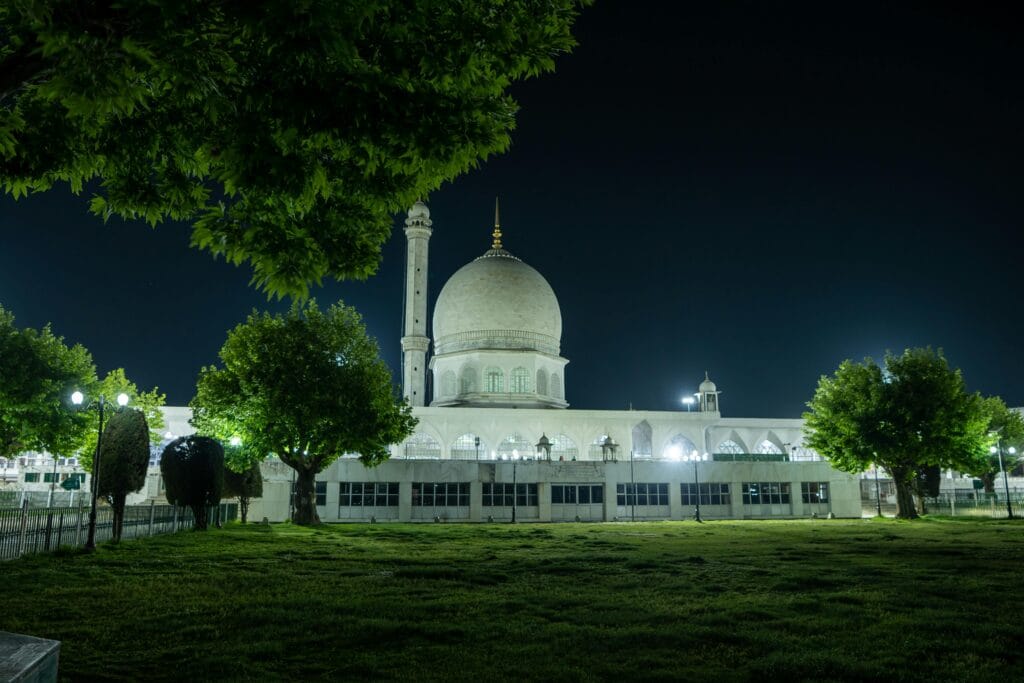
The local Kashmiri culture, cuisine, and handicrafts are still the prime magnets. In addition, tourism helps farmers and craft makers as well as local vendors.
Thus, a well-attended visitorship is more than about hotels and tours; it is a rural economy that we maintain.
If you are planning a trip to Kashmir in 2026, here’s what to know:
- Keep up to date: You can check updated travel advisories on the State Department’s website. They change with ground conditions.
- Pick Upstanding Operators: Your best bet for safe travel is working with the good guys.
- Don’t Go Anywhere Secluded Solo: It’s a good idea to check out the most heavily trafficked parks early in your trip.
- Follow Local Advice: People local to the area know their terrain and day-to-day situation best.
- Appreciate “Cultural Norms” Your safety and experience can elevate if you are keen on a local culture.
Government and Security Outlook
The Indian Govt is spending money to stabilize the area. The priorities are border patrol modernization, internal intelligence upgrades and bolstering community engagement.
Additionally, authorities regularly reassess the safety measures implemented for travelers with security agencies. These actions indicate a long-term commitment to the safety of visitors.
Conclusion: Is Kashmir Safe in 2026?
Yes — but with context.
Kashmir is not the place it was pre-2025 (afterwards they referred to Kashmir as a post-apocalyptic world), and safety remains one of their biggest concerns. But there have been significant security gains. Tourist sites are reopening. Visitor numbers are climbing. And both the government and tourism operators are eagerly promoting a return to travel.
So yes, for popular tourist activities, Kashmir is a safe place to visit, with the necessary precautions. Safety is never absolute. But what we see now is a new equilibrium, trust having increased on the part of both passengers and authorities.
If you go, prepare for your trip. Visit well-known areas first. Moreover, stay updated. In this new normal, preparation can be what makes sure the experience is as safer and memorable as possible.
Also read: Kashmiri Pheran
FAQs related to “Is Kashmir Safe in 2026?”
Safe travel destinations for single women include well-known tourist destinations like Srinagar, Gulmarg, and Pahalgam.
Gardens, lakes, and houseboats are popular attractions in the city.
Yes, major tourist areas like Srinagar, Gulmarg, and Pahalgam are currently stable and heavily secured; however, travelers should follow official advisories and avoid isolated zones.
Yes, security forces increased patrols, installed additional checkpoints, and implemented stricter monitoring at tourist hotspots.
Most major attractions are open in 2026; however, access to certain remote areas may still depend on security reviews.
Yes, bookings dropped sharply and businesses reported major revenue losses for several months following the incident.
Yes, hotels and houseboats are functioning normally again, and occupancy rates have gradually improved.
Srinagar remains one of the most monitored and secure areas in Kashmir, therefore families frequently visit without issues
Yes, Gulmarg continues to attract winter tourists, and security presence in the area remains strong.
Pahalgam has reopened to tourists with enhanced security, although visitors should stick to designated tourist zones.
There are no regular curfews in tourist zones; however, restrictions can be imposed temporarily if required.
Yes, taxis and registered transport services are generally safe, especially when booked through hotels or verified operators.
Solo travel is possible, particularly in main tourist areas; however, staying connected and informed is important.
Travel advisories vary by country; therefore, always check your government’s official website before planning.
Tourism has significantly improved, though some businesses are still recovering from last year’s financial losses.
Security personnel are clearly visible at key locations, which many travelers find reassuring.
Some trekking routes are open, while others may require prior permission depending on the region.
Internet services are generally stable in 2026, although temporary restrictions can occur during sensitive situations.
Many offered heavy discounts and promotional packages; therefore, competitive pricing returned quickly to attract visitors.
Yes, flights to Srinagar are operating regularly, and connectivity has improved compared to last year.
Security infrastructure and surveillance have strengthened post-2025, therefore many consider it more controlled than before.
Yes, border and highly sensitive zones should be avoided unless you have official clearance.
Yes, comprehensive travel insurance is highly recommended, especially for cancellations or emergency disruptions.
If you follow advisories, stay in major tourist zones, and remain aware, Kashmir can be a safe and rewarding destination in 2026.
Comments