Kashmir turns into a magical white land every winter. Snow covers the mountains, the trees, and even the little wooden bridges. If you are dreaming about a snowy trip, this guide will answer all your questions in simple, easy words. Let’s explore!
Why Visit Kashmir in Winter?
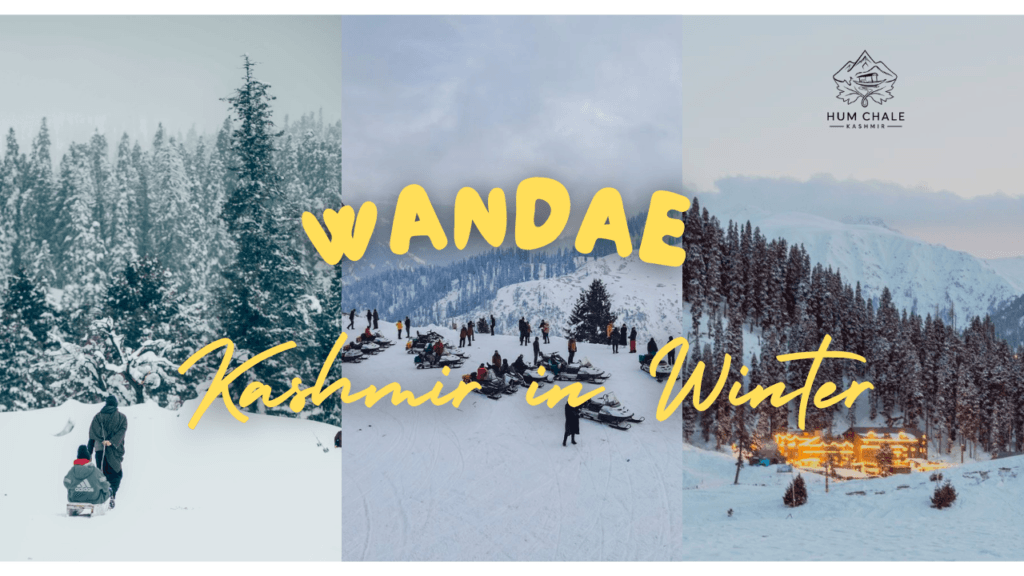
Winter is when Kashmir looks like a fairy tale. Snow falls softly on the hills, the air smells clean and cold, and everything turns white and quiet. You can ski down snowy slopes, ride a sledge, drink hot Kahwa tea by a fire, and see frozen lakes that sparkle in the sun. Summer Kashmir is green and pretty, but winter Kashmir feels magical and different, like stepping into a snow globe. Many people say winter is the best time to feel the true beauty of the valley, because the crowds are smaller and the views are extra special.
Is winter good for Kashmir trip
Yes, Winter season is good for a Kashmir trip for many reasons but i will tell you the most exciting ones. First being the snow activities that you can do and second is frozen dal lake and the best part is the winter specific foods to try like Harissa
What is Kashmir winter tourism & reasons to visit Kashmir in December/January?
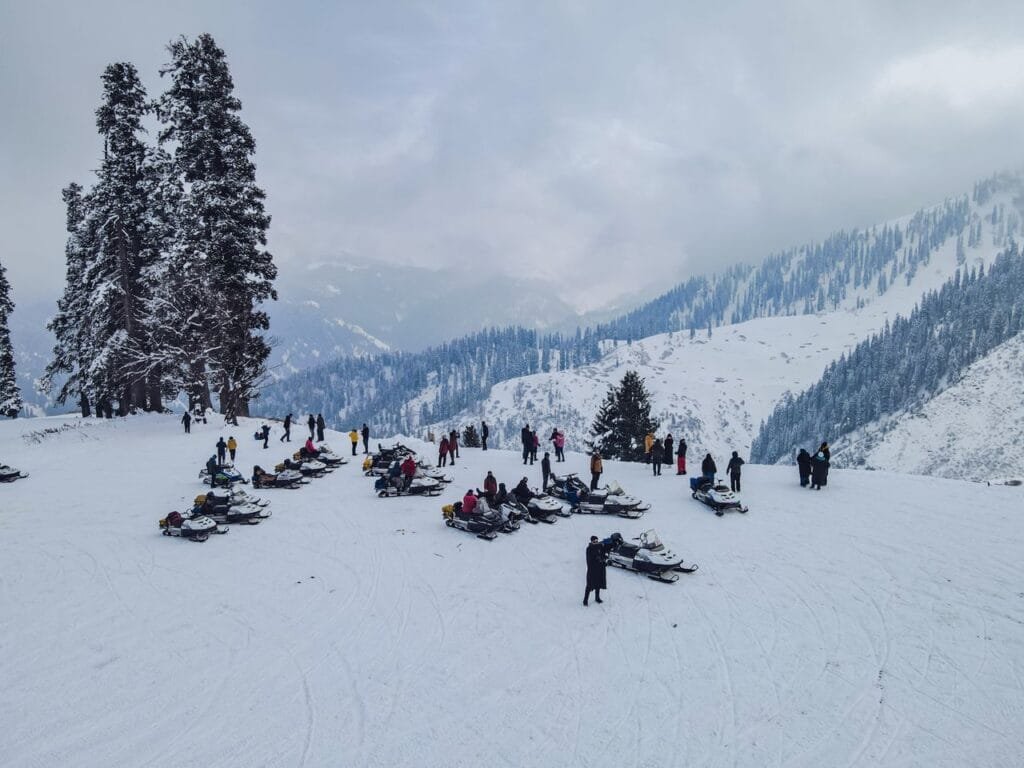
Winter tourism in Kashmir is mainly associated with snow. A wide range of snow activities, such as skiing, snowboarding, sledge rides, ice skating, and winter helicopter rides in Gulmarg, are among the main attractions that draw adventure lovers from across the globe. These activities offer visitors an exciting opportunity to experience the beauty of Kashmir during the winter season.
Kashmir Winter Weather & Snowfall Guide
Winter in Kashmir runs from December to February, and it gets very cold. Srinagar, the main city, can have night temperatures below freezing, sometimes dropping to minus 5 or minus 8 degrees Celsius. Higher places like Gulmarg and Sonamarg get even colder and much snowier. The coldest and snowiest stretch is a special 40-day period called Chillai Kalan (more on that below). Snow usually starts falling in December and keeps going through January, with the biggest, heaviest snow days often arriving with weather systems called “Western Disturbances.” Roads can close for a day or two after heavy snow, so it always helps to check the weather before you travel.
Snowfall Pattern In Kashmir
Based on recent snowfall patterns in Kashmir, snowfall usually occurs in abundance during January. However, in hill stations like Gulmarg, significant snowfall is generally expected during the last week of January. If you are visiting Kashmir specifically to experience snow, I would suggest planning your trip for the second week of February, when snow is usually guaranteed.
Best Time to See Snowfall in Kashmir
If snow is the main reason for your trip, aim for late December through Febraury. This is peak Chillai Kalan season, when snow falls the most and stays on the ground the longest. Many travelers specifically plan trips around the last week of December through the third week of January, since that stretch usually has the heaviest and most reliable snowfall in Gulmarg, Sonamarg, and even Srinagar itself. February can still have snow, but it starts melting faster as days get warmer. Since Kashmir sits in the Himalayas, exact snow days can shift a little each year, so keep an eye on short-term forecasts once you’re close to your travel dates.
Best month for snowfall Kashmir
February is generally the best month to experience snowfall in Kashmir. By February, snow has usually covered most of the places you are likely to visit, making it an ideal time to enjoy Kashmir’s winter landscapes and snow activities.
Gulmarg Skiing Guide: Best Slopes for Beginners & Pros
Gulmarg is Kashmir’s ski capital, and honestly one of the best ski spots in all of Asia. Beginners usually start at the lower slopes near Phase 1 of the gondola, where the ground is gentler and ski schools offer easy lessons with rental gear included. Once you feel steady on your skis, Phase 2 near Apharwat Peak (about 4,200 meters up) has thrilling, steeper runs for experienced skiers and snowboarders, along with famous off-piste powder snow that skiers travel from all over the world to try. Ski instructors and equipment rental shops are easy to find all around Gulmarg market. December through February is the best skiing window, with January usually having the deepest snow.
Cost of Rental Equipment for Skiing In Gulmarg.
Rental equipment such as ski boots, skis, and snowboards is available at both privately owned shops and official government ski rental shops in Gulmarg. The rental cost is usually around ₹1,000–₹1,500 for a full day. You will find plenty of shops at Gulmarg Main Market.
Gulmarg Gondola in Winter: Complete Guide
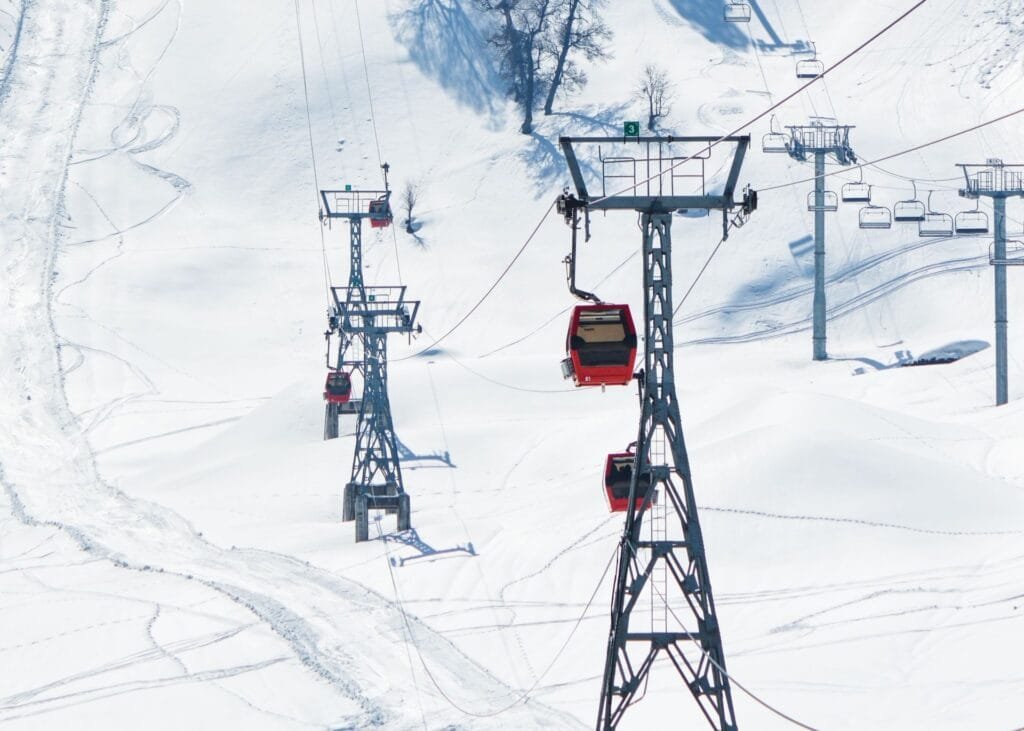
The Gulmarg Gondola is one of the highest cable cars in the whole world, and riding it in winter feels like flying over a snow kingdom. It runs in two phases. Phase 1 lifts you from Gulmarg town up to Kongdori station, and Phase 2 continues from Kongdori all the way up to Apharwat Peak, above 4,000 meters, where snow stays almost all year. As of 2026, ticket prices is ₹800 for Phase 1 and a bit higher for Phase 2 which is Rs 1000, though prices can shift, so it’s smart to check the official JKCCC site before you go. Booking early online is a good idea, since tickets sell out fast in peak season, and a fast “next-day” ticket window also opens each evening for last-minute planners. In deep winter, cars often park lower down in Tangmarg and you take a snow jeep up, so build extra travel time into your day.
| Gondola Ride Type | Price in INR (Government fixed) |
|---|---|
| Phase 1 | Rs. 800 |
| Phase 2 | Rs. 1000 |
| Joy Ride | Rs. 700 |
Book Gulmarg Gondola Tickets Online
There is only one official portal where you can book Gulmarg Gondola tickets online which is: https://etickets.jammukashmircablecar.com/
Frozen Dal Lake: Where and When to See It
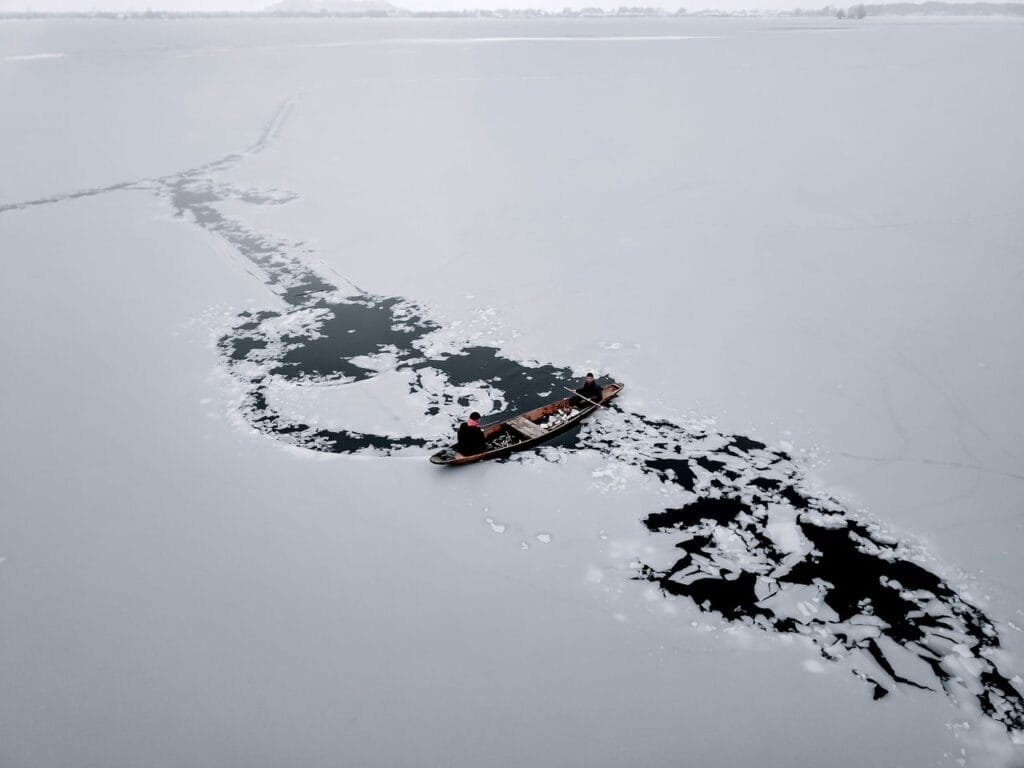
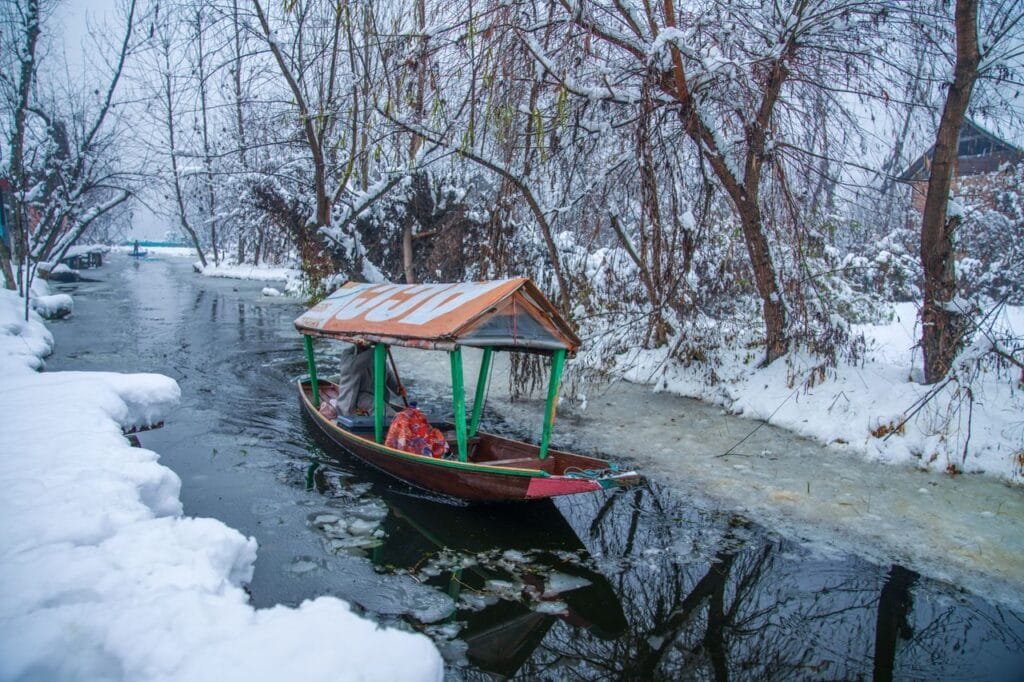
Dal Lake, the famous lake in Srinagar with its floating houseboats, sometimes gets a thin layer of ice on its edges during the coldest days of Chillai Kalan, usually in late December or January. It doesn’t freeze solid enough to walk on, but the icy patches near the shore and shikara boats gliding past frosty water make for stunning photos. For a fuller frozen-lake feeling, some travelers head to smaller, higher-altitude lakes and ponds around the valley, which freeze more completely in the deep cold. Early morning is the best time to catch Dal Lake at its frostiest, before the sun warms things up.
Pahalgam in Winter: Snow Activities & Sledding
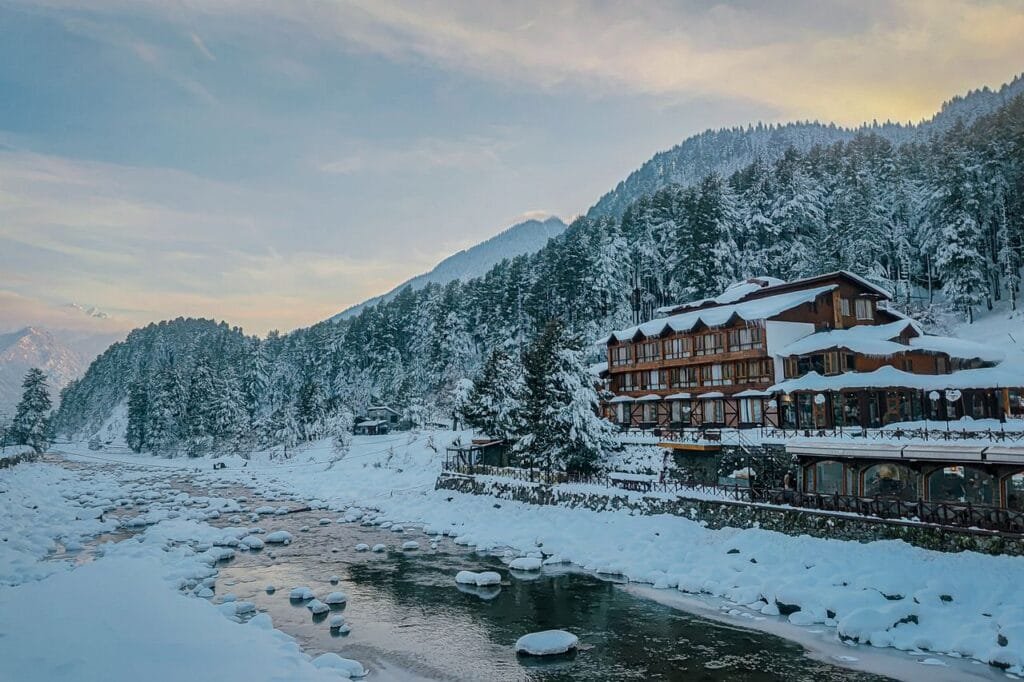
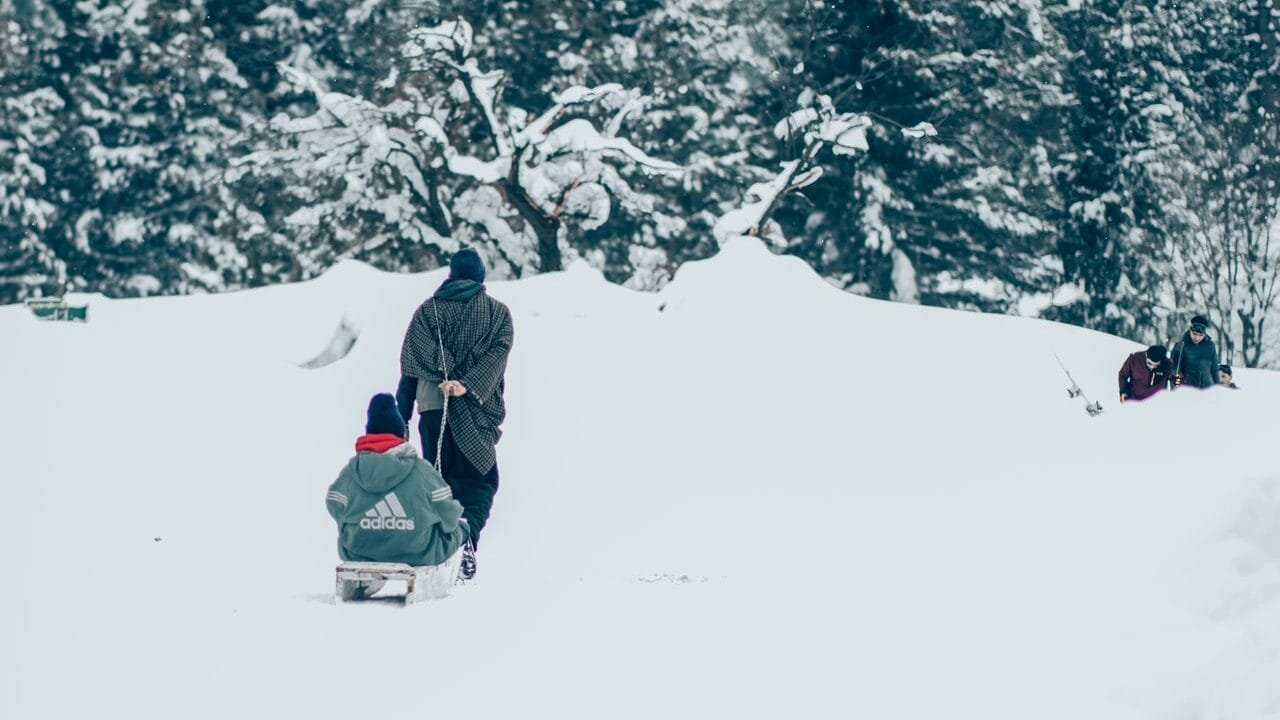
Pahalgam turns into a peaceful, snow-blanketed valley in winter, much quieter than Gulmarg but just as pretty. It’s a favorite spot for sledging (sliding down small snowy hills on a wooden sledge pulled or pushed by a helper), gentle walks through pine forests dusted in white, and pony rides through the snow. The Lidder River, which usually flows fast, slows down and sometimes has icy edges. Families especially love Pahalgam in winter because the pace is relaxed and the activities are simple and fun, without needing any ski experience at all.
Sonamarg Winter Accessibility Guide
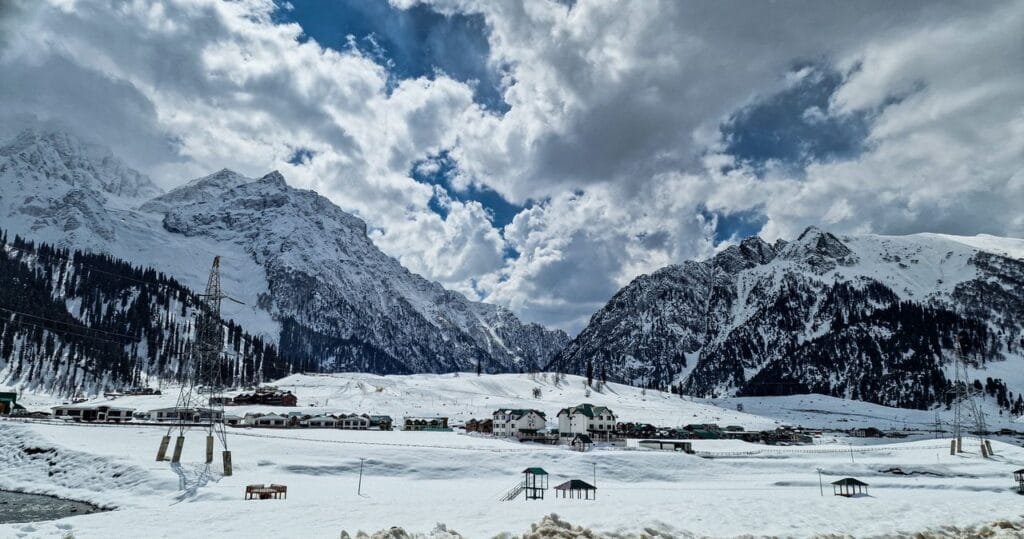
Sonamarg, whose name means “meadow of gold,” becomes a snow-covered wonderland in winter. But there is one question that comes to the mind of every traveller: “Is Sonamarg open in winter?” The simple answer is yes. Sonamarg is open due to the new Z-Morh Tunnel, which connects Sonamarg in winter as well. However, heavy snowfall can close the route towards Zojila Pass (the gateway to Ladakh). It usually shuts down completely in winter, as it becomes too dangerous and snow-blocked to travel.
Srinagar in Winter: Things to Do
Srinagar is the heart of Kashmir and a great home base for your whole trip. In winter, you can stroll through the beautiful Mughal Gardens (quieter and starkly pretty when dusted with snow), take a cozy shikara ride on Dal Lake, wander the old city’s spice and shawl markets, and warm up in a houseboat with a bukhari (traditional wood heater) glowing beside you. Srinagar is also the easiest place to reach by flight, making it the natural starting and ending point for day trips to Gulmarg, Pahalgam, and Sonamarg.
Chillai Kalan: Kashmir’s Harshest Winter Period Explained
Chillai Kalan is a 40-day period of Kashmir’s harshest winter, running from December 21 to around January 29–31 each year, starting right on the winter solstice. During this stretch, temperatures drop sharply, water pipes can freeze, and heavy snow blankets the valley. It’s followed by two milder phases: Chillai Khurd (“small cold,” about 20 days) and Chillai Bacha (“baby cold,” about 10 days), which together ease the valley back into spring. Despite the tough conditions, this is actually the best window for serious snow-lovers, since it usually brings the season’s heaviest and most reliable snowfall.
Best Places for Snowfall Photography in Kashmir
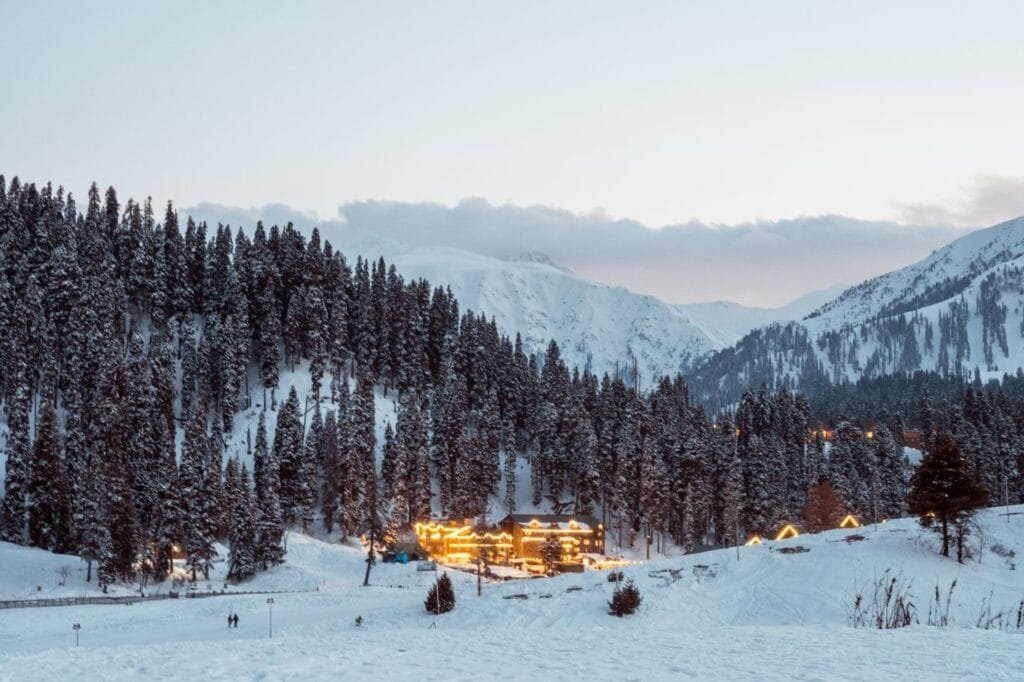
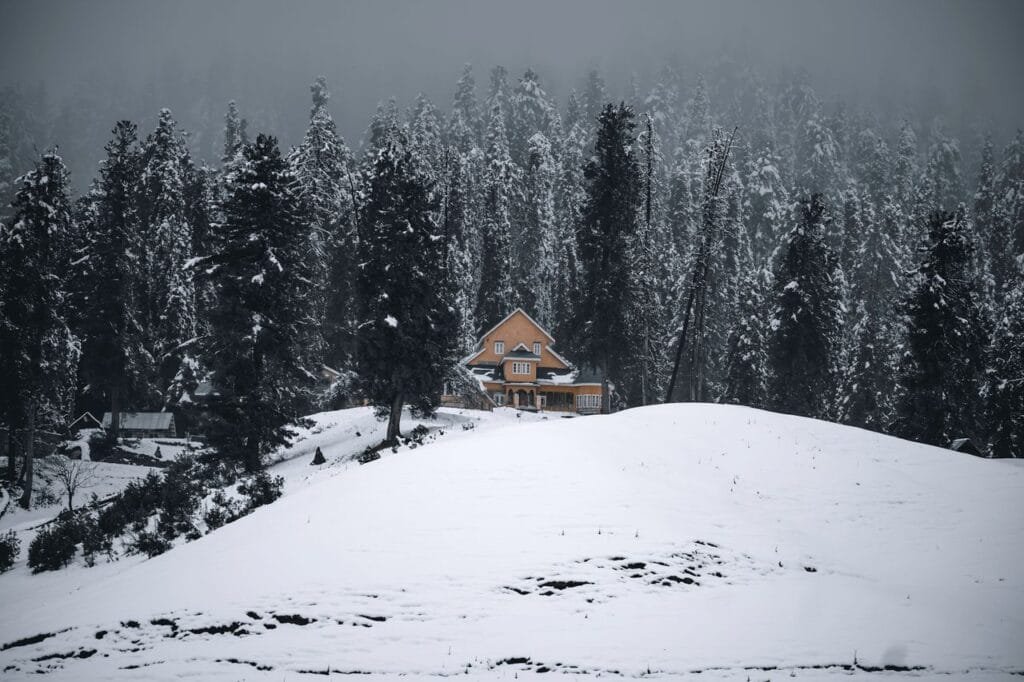
Photographers flock to Kashmir in winter for good reason. Gulmarg’s Apharwat Peak, reachable by gondola, offers sweeping views of snow-covered ridges and glaciers. The wooden houses of Pahalgam poking through fresh snow make gorgeous foreground subjects. Dal Lake at sunrise, with mist rising over icy edges and houseboats in the background, is a classic shot. The old wooden bridges and carved windows of Srinagar’s old city look stunning dusted in snow too. Early morning light, right after fresh snowfall, is generally considered the golden window for the most dramatic photos.
Winter Wildlife in Kashmir: What You Can Spot
Even in the cold, Kashmir’s forests and mountains hold onto life. The Hangul (Kashmir stag), a rare and protected deer, can sometimes be spotted in lower-altitude reserves like Dachigam National Park, though sightings need patience and a good guide. Birdwatchers can look out for migratory birds that settle around wetlands near Srinagar during the cooler months, including various ducks and geese. Higher up, animals like the snow leopard remain extremely rare and elusive, more a hope than a guarantee for most visitors. For the best chance of spotting wildlife, plan a guided visit to Dachigam or one of the valley’s wetland reserves.
What to Pack for Kashmir Winter Trip (Clothing Checklist)
Packing right makes a huge difference in the cold. Layer up with thermal innerwear, a warm fleece or sweater, and a heavy, windproof, waterproof down jacket on top. Don’t forget waterproof snow boots with good grip, thick wool socks, gloves, a warm cap or beanie that covers your ears, and a scarf or muffler for your neck and face. Sunglasses matter too, since snow reflects sunlight and can hurt your eyes. If you’re planning to ski or visit high-altitude spots like Apharwat Peak, pack an extra thermal layer, since it gets noticeably colder up there than in Srinagar or Gulmarg town.
Which Colours Look Best on You in Kashmir in Winter? (As per Skin tone)
Kashmir in winter is full of snow, so your clothes can add a beautiful pop of colour to your photos. If you have fair skin, try soft colours like baby pink, lavender, and ice blue. Dusky skin looks great with rich colours like emerald green, royal blue, and wine. For dark skin, bright and bold colours like red, cobalt blue, mustard, and purple can look amazing against the white snow. Choose colours that make you feel comfortable and confident, and enjoy your winter trip to Kashmir!

Best Hotels with Heating in Kashmir for Winter
Winter travel in Kashmir means heating is not optional, it’s essential. Look for hotels that specifically mention centralized heating, room heaters, or traditional bukhari (wood-fired heaters) rather than just air conditioning units that double as heaters (these often struggle in extreme cold). Srinagar has plenty of well-heated hotels and heated houseboats near Dal Lake. In Gulmarg, book hotels close to the gondola base if you plan to ski, and always confirm heating arrangements directly with the property before booking, since standards can vary a lot between properties, especially in smaller Pahalgam and Sonamarg guesthouses.
Kashmiri Famous Winter Food
inter is a great time to enjoy some of Kashmir’s most comforting foods. Try Harissa, a warm and rich meat dish that is especially popular during the cold months. You can also enjoy Tujj, a local Kashmiri barbecue made with juicy pieces of meat grilled over charcoal. If you love fish, don’t miss fresh trout, which is another popular choice in Kashmir. These tasty local dishes are perfect after a cold day in the snow!
Is Kashmir Safe to Visit in Winter?
This is one of the most common questions, and the honest answer is: yes, Kashmir welcomes large numbers of tourists every winter, and popular areas like Srinagar, Gulmarg, and Pahalgam see steady tourist footfall through the season. The main safety concerns in winter are practical, not political — icy roads, occasional highway closures after heavy snow, and cold-weather risks like frostbite if you’re underdressed. It’s wise to check current travel advisories, road status, and local weather updates before and during your trip, travel with a registered tour operator or driver familiar with winter roads, and avoid pushing into high-altitude, avalanche-prone areas without proper local guidance.
How to Reach Kashmir in Winter (Road Closures & Flights)
Flying is by far the most reliable way to reach Kashmir in winter. Srinagar International Airport has regular flights from major Indian cities, and flying skips the risk of road closures entirely. The road route, the Jammu-Srinagar National Highway, can and does close temporarily after heavy snowfall or landslides, sometimes for a day or more, so it’s a riskier option if your schedule is tight. Once you land in Srinagar, local taxis and pre-arranged tour cars (ideally ones with snow chains or experience driving in snow) handle onward trips to Gulmarg, Pahalgam, and day trips toward Sonamarg. Always check live road and flight status the day before you travel, since winter weather can change fast.
New Year Celebration in Kashmir
Ringing in the New Year in a snow-covered valley is unforgettable. Gulmarg and Srinagar both host lively New Year’s Eve celebrations, with hotels organizing bonfires, live music, and festive dinners against a backdrop of snowy peaks. Many travelers combine New Year’s Eve in Gulmarg (sometimes with a bonus ski session on New Year’s Day) with a few relaxed days in Srinagar. Since this falls right in the middle of peak Chillai Kalan season, expect cold nights, so pack warmly if you’re planning an outdoor countdown, and book hotels well in advance since this is one of the busiest weeks of the whole winter.
5-Day Kashmir Winter Itinerary (Activity Oriented)
Here’s a simple plan that covers the winter highlights without rushing:
- Day 1 – Srinagar: Arrive in Srinagar and check into your heated hotel or houseboat. Enjoy a relaxing Shikara ride on Dal Lake, visit the Mughal Gardens, and end the evening with warm Kashmiri Kahwa.
- Day 2 – Gulmarg: Drive to Gulmarg, about 1.5–2 hours from Srinagar. Enjoy the Gondola ride to Phase 1 and Phase 2 (weather permitting), followed by skiing, sledging, and snow activities.
- Day 3 – Gulmarg Snow Activities: Spend the day enjoying Gulmarg’s snow. Try skiing, snowboarding, sledging, or simply play in the snow and enjoy the beautiful mountain views.
- Day 4 – More Snow & Return to Srinagar: Enjoy more snow activities in Gulmarg before returning to Srinagar. If roads and weather allow, you can also visit Sonamarg for more snowy views.
- Day 5 – Shopping & Departure: Spend your final morning shopping for Pashmina, saffron, dry fruits, and Kashmiri handicrafts before heading to Srinagar Airport for your flight home.
Budget Tips for Winter Travel in Kashmir
Winter trips can get pricey, especially around New Year and peak Chillai Kalan weeks, but smart planning helps a lot. Book flights and hotels well ahead of December–January, since prices climb fast closer to peak dates. Travel in early December or February for lighter snow but noticeably lower prices and thinner crowds. Choose local guesthouses over five-star hotels for real savings without giving up warmth or comfort. Shared taxis between Srinagar, Gulmarg, and Pahalgam cost far less than private cars. Skip the daily helicopter or private-cab upgrades unless truly needed, and eat at local Kashmiri eateries rather than hotel restaurants for both better prices and better food.

About the Author
Hum Chale Kashmir is your trusted Kashmir travel consultant. Whether you’re looking for a hotel, taxi, tour package, or adventure activity, we’re here to help. Talk to our local travel experts for free, get honest advice, compare your options, and then book with us only if you’re happy with our service. Our goal is to help you plan a safe, smooth, and memorable trip to Kashmir.
Comments